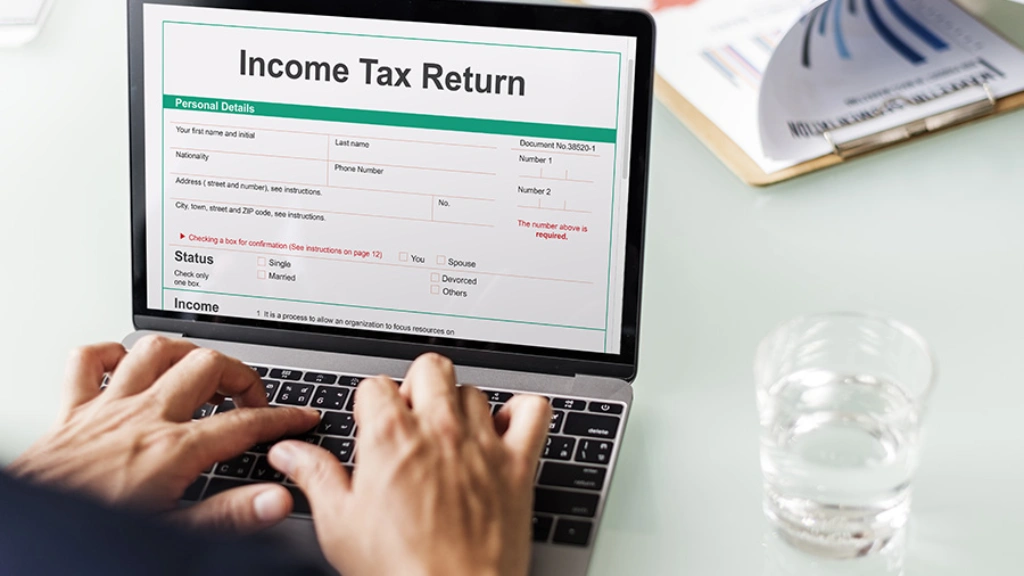
If you are a salaried employee in India, filing an Income Tax Return (ITR) is one of the key financial responsibilities you should not ignore. Many people believe that if an employer has already deducted Tax Deducted at Source (TDS) from your salary, your tax obligation is complete. However its not completely true. Filing an Income Tax Return (ITR) is one of the key financial responsibilities you should not ignore. ITR filing is not just a routine formality. If you miss the due date for filing your return, you may have to pay a late fee of up to ₹5,000, along with interest on any unpaid tax.
This can lead to unnecessary financial burden. But it can easily be avoided by filing your return on time. With the increasing digitisation of tax services in India, filing income tax returns has become easier than ever. Despite this, many salaried employees still face confusion about the ITR process. Therefore, in this article, we will explain Income Tax Return Filing for Salaried Individuals: Documents, Process & Tips to help you file your return smoothly and correctly.
Income Tax Return Filing 2026: Why You Need a Chartered Accountant
What is Income Tax Return Filing (ITR)?
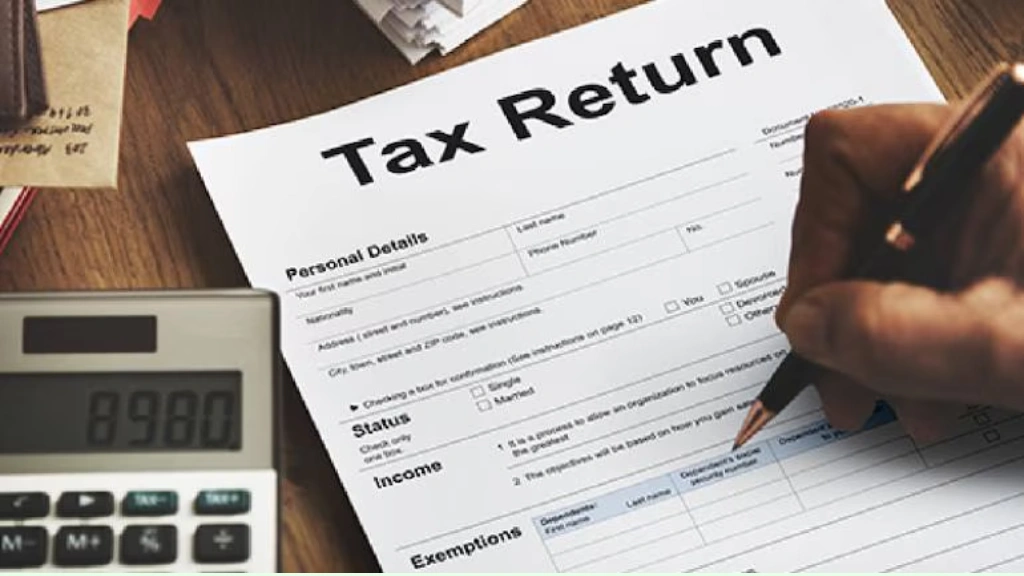
Income tax return (ITR) filing is the financial process used by taxpayers to report their annual income, expenses, tax deductions, and taxes paid to the government. Under the Income Tax Act, individuals earning above the basic exemption limit (it can differ under the Old Tax Regime or the New Tax Regime), Business owners & freelancers, Investors (stock, crypto, property), and NRIs with taxable Indian income file their ITR with the income tax department. It typically includes your salary or business income, income from house property, capital gains (stocks, property, etc.), other income (interest, freelance, etc.), Deductions (like 80C, 80D), and taxes already paid (TDS, advance tax). Income Tax Return Filing 2026 for a salaried individual is very crucial because it helps in reporting total annual income, claiming tax deductions, carrying forward losses, maintaining financial records, and complying with tax regulations.
When Should a Salaried Person File an Income Tax Return (ITR)?
If Your Income is Above the Basic Limit
If you are a salaried employee in India and your salary is more than the limit set by the Indian government, you must under the category of filing an ITR. If your income is below the mentioned limits, filing an ITR becomes compulsory: –
- ₹2.5 lakh per year for people below 60 years
- ₹3 lakh per year for senior citizens (60–80 years)
- ₹5 lakh per year for super senior citizens (above 80 years.
If You Want to Get a Tax Refund
Sometimes your employer deducts more tax (TDS) than required. In any case, if you face this situation, you can get your extra money back from the government only if you file your ITR quickly.
If You Have Income From Another Country
If you earn money from outside India or have bank accounts, property, or investments in another country, you must report it by filing an ITR. It helps with foreign income disclosure, claiming DTAA (Double Taxation Avoidance Agreement) benefits, determining tax residency status, and ensuring FEMA compliance.
If You Deposited More Than ₹1 Crore in a Bank Account
If you are a salaried employee and deposit more than 1 crore rupees in your bank account during the financial year (April 1st to March 31st), the government requires taxpayers (you) to file an income tax return for a clear monitoring system. This is crucial due to the annual information statement (AIS) and statement of financial transaction (SFT) rules.
If You Spent More Than ₹2 Lakh on Foreign Travel
Under Section 139(1) of the Income Tax Act, in India, if you spend more than ₹2 lakh on foreign travel (for yourself or even for someone else) can make filing an Income Tax Return (ITR) mandatory, even if your income is otherwise below the normal taxable limit.
If Your Electricity Bill is More Than ₹1 Lakh in a Year
In India, if your home’s total electricity bill is more than 1 lakh per year, you are required to file an Income Tax Return even if your income is below the normal taxable limit. This law comes from a section of the Income Tax Act as part of the high-value financial transaction monitoring system.
TDS Has Been Deducted From Your Salary
If, by chance, your employer deducts TDS (Tax Deducted at Source) from your salary. It is often advised or necessary that you must check tax details or claim a refund to file an ITR. Because without ITR, you are not able to get a refund.
Key Documents Required for Salaried Individuals to File ITR

- PAN Card
- Aadhaar Card
- Form 16 (Salary details, Tax deductions, TDS deposited to the government)
- Salary Slips (Basic salary, HRA, Allowances, Deductions)
- Form 26AS
- Annual Information Statement (AIS) (Interest income, Securities transactions, Mutual fund investments, Dividend income)
- Bank Statements (Interest income, Financial transactions, Investment payments)
- Investment Proofs (Life insurance premium, ELSS mutual funds, Public Provident Fund (PPF), National Pension System (NPS), Tax-saving fixed deposits)
- Home Loan Documents (Interest certificate, Principal repayment statement)
Step-by-Step Process to File Income Tax Return
- Step 1: Login to the Income Tax Portal: Visit the official Income Tax e-filing portal –https://www.incometax.gov.in/iec/foportal/ and log in with your PAN, then create a password and enter the captcha.
- Step 2: Select “File Income Tax Return”: After that, choose the assessment year, online filing mode and individual taxpayer category.
- Step 3: Select the Correct ITR Form: Every ITR form is not the same, so choose the right ITR form. It includes ITR-1, ITR-2, ITR-3 and ITR-4. Each comes with a different income and other categories.
- Step 4: Pre-Fill Personal Information: After that, the online portal automatically fills your personal information, such as PAN details, Aadhaar details, address, and Employer information. Double-check information carefully.
- Step 5: Enter Income Details: Enter income under the following categories, such as salary income, income from house property, interest income and Other income. Generally, this detail is found in Form 16.
- Step 6: Claim Deductions: You are free to claim deductions under the Income Tax Act sections, like Section 80C – Investments, Section 80D – Health insurance, Section 80E – Education loan interest, and Section 80G – Donations. It is crucial to enter the correct amount to reduce taxable income.
- Step 7: Verify Your Paid Tax: Check your tax details from Form 26AS, AIS, and TDS entries and ensure they match with Form 16.
- Step 8: Calculate Your Tax Liability: E-portal will automatically calculate the total tax liability and Refund amount (if applicable).
- Step 9: Submit the Accurate Return: You have to carefully review all financial information before submitting
- Step 10: Verify ITR: In the last step, verify your ITR by Aadhaar OTP, Net banking, Bank account verification and sending the signed ITR-V to CPC Bengaluru.
Common Five Tips for Salaried Individuals to Save Tax
- Start Tax Planning Early: Planning is very important in everything, so it is advised that taxpayers invest throughout the year instead of rushing at the end to avoid penalties.
- Use Section 80C Fully: If you are investing up to ₹1.5 lakh in options like PPF, ELSS, LIC, EPF, and Tax-saving FD, registered under the old tax regime, to reduce your taxable income.
- Invest in NPS: Under 80C, if you invest in NPS for addition ₹50,000 deduction, or if your employer contributes, your tax is automatically reduced and helps in retirement planning.
- Compare Old vs New Tax Regime: Every year, compare the old regime and the new regime and choose the best that suits your financial planning.
- Maintain Proper Records: Clarity is very crucial, so keep your investment proofs and salary documents organised.
Company Incorporation Services in Chandigarh: A Complete Guide
Old vs New Tax Regime for Salaried Individuals
Currently, India offers two tax regimes –the old tax regime (with deductions and exemptions) and the new tax regime (lower rates, fewer deductions). You can choose between them.
| Feature | Old Regime | New Regime |
| Tax Rates | Higher | Lower |
| Deductions | Allowed | Mostly Not Allowed |
| 80C (₹1.5L) | Yes | No |
| HRA | Yes | No |
| Home Loan Interest | Yes | No |
| Standard Deduction | Yes | Yes |
| Best For Investors & High Deduction | Claimers | Low Deduction Earners |
People Also Ask
What is the ITR?
ITR stands for Income Tax Return, which is an annual form filed by individuals or entities to report their total income, deductions, exemptions, and taxes paid to the government, generally between April and July
What happens if I don’t file my ITR on time?
Under section 234 F BNS (Bharatiya Nyaya Sanhita), you may have to pay a penalty that ranges from ₹1,000, face difficulties in loan approvals, or visa processing.
Which regime is simpler for ITR filing?
The new regime is simpler compared to the old regime because of its easy structure and is free from unnecessary paperwork.
How can a DAR & CO LLP Chartered Accountants help me?
DAR & CO LLP Chartered Accountants, known for their reputable position, ensure client satisfaction, maximum returns, cost-effectiveness, save time, and avoid high penalties.
What if I don’t hire a Chartered Accountant on Time?
Hire a trusted and experienced CA immediately because last month, every chartered accountant was fully booked. Moreover, 31st July is the last date for filing ITR.
Final Thoughts
That’s true. Income Tax Return filing is an essential responsibility for salaried individuals. This blog “Income Tax Return Filing for Salaried Individuals: Documents, Process & Tips” clearly defined ITR with documents, process and tips. By maintaining accurate records, claiming eligible deductions, and verifying tax details carefully, taxpayers can ensure accurate filing and avoid unnecessary penalties. But here is the thing, if you choose a CA firm for ITR filing, then the process becomes fast, easy and mistake-free, and DAR & CO LLP, Chartered Accountants, for your ITR filing services, is the number one option for people. They are proudly known for a highly experienced team, reliable advice, trusted sources, the ability to maximise return, and a budget-friendly fee. So don’t wait, call us for more information at
+91 8558019630, or you may send an email to info@darcollp.com.