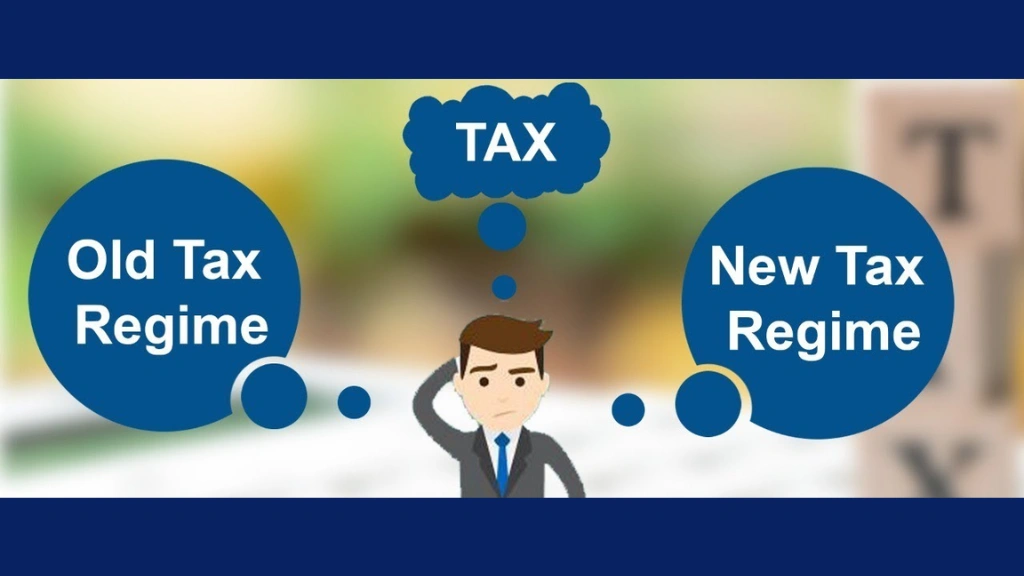
With two tax regimes now available in India, one question comes up every year during the tax filing season -“Old Tax Regime vs New Tax Regime: Which One Should You Choose?” And more importantly, which one will actually help me save more tax? If you are asking the same question yourself, you’re not alone. Many taxpayers find it difficult to decide because both regimes have different tax slabs, deductions, exemptions, and benefits. What works for one person may not be the best choice for another.
The good news is that choosing the right tax regime doesn’t have to be complicated—especially when you have the right tax expert by your side. For example, DAR & Co LLP best CA firm in India. They are supported by experienced Chartered Accountants who carefully compare your income, deductions, exemptions, and overall tax liability under both the Old and New Tax Regimes. This helps you choose the option that legally minimizes your tax and maximizes your savings.
What is the Old Tax Regime?
The Old Tax Regime under the Income Tax Act is the traditional income tax system that has been followed in India for many years. Under this old regime, taxpayers can reduce their taxable income by claiming various deductions and exemptions. It includes Section 80C (PPF, ELSS, Life Insurance, EPF, NSC, etc.), Section 80D (Health Insurance Premium), Home Loan Interest, House Rent Allowance (HRA), Leave Travel Allowance (LTA), National Pension System (NPS), Education Loan Interest, etc. Because of these multiple benefits, many taxpayers in India pay much less tax under the Old Tax Regime.
| Income Range (₹) | Tax Rate |
| 0 – 3,00,000 | 0% |
| 3,00,001 – 6,00,000 | 5% |
| 6,00,001 – 9,00,000 | 10% |
| 9,00,001 – 12,00,000 | 15% |
| 12,00,001 – 15,00,000 | 20% |
| Above 15,00,000 | 30% |
What is the New Tax Regime?
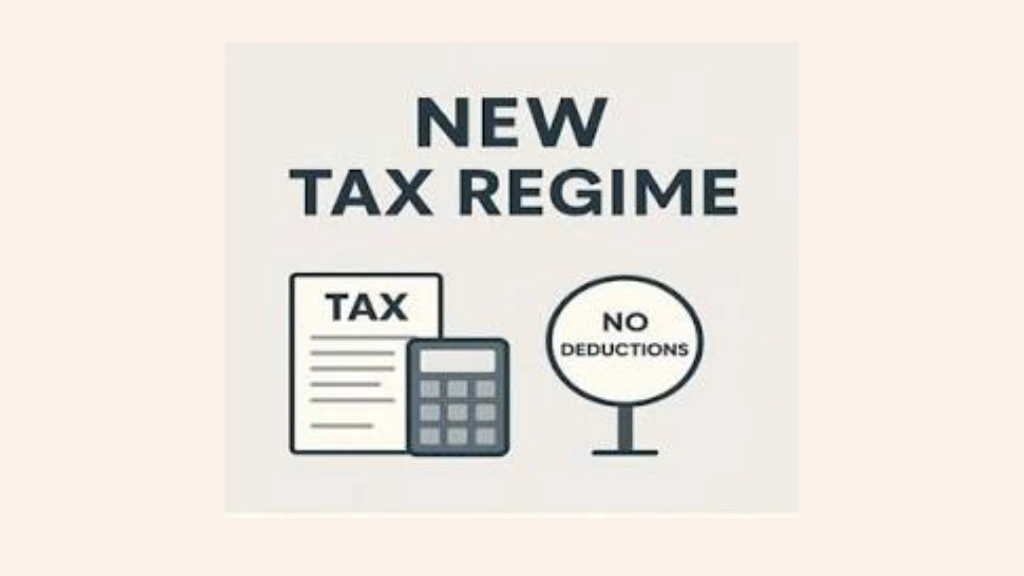
The new tax regime is governed under Section 115BAC of the Income Tax Act, 1961, which was introduced to make the tax system simpler and less complex. Under the New Tax Regime, you don’t need to invest just to save tax. It involves less paperwork, offers a simpler tax filing process, and provides lower tax rates for many income groups. Resident individuals with taxable income up to ₹12 lakh can effectively have zero tax liability because of the rebate under Section 87A (subject to the applicable conditions). However, you cannot claim most tax-saving deductions available under the Old Tax Regime.
| Annual Taxable Income | Tax Rate |
| Up to ₹4,00,000 | Nil (0%) |
| ₹4,00,001 – ₹8,00,000 | 5% |
| ₹8,00,001 – ₹12,00,000 | 10% |
| ₹12,00,001 – ₹16,00,000 | 15% |
| ₹16,00,001 – ₹20,00,000 | 20% |
| ₹20,00,001 – ₹24,00,000 | 25% |
| Above ₹24,00,000 | 30% |
Major Difference Between the Old and New Tax Regimes
| Feature | Old Regime | New Regime |
| Tax Rates | Higher | Lower |
| Deductions | Allowed | Mostly Not Allowed |
| 80C (₹1.5L) | Yes | No |
| HRA | Yes | No |
| Home Loan Interest | Yes | No |
| Standard Deduction | Yes | Yes |
| Best For Investors & High Deduction | Claimers | Low Deduction Earners |
| Paperwork | More paperwork | Simple tax filing |
| Investment | Good for people who invest | Good for people with fewer investments |
Tax Deductions Available in the Old Tax Regime
- Section 80 C: Under Section 80 C of the old tax regime, you can claim up to ₹1.5 lakh deduction by investing in PPF, ELSS Mutual Funds, Employee Provident Fund (EPF), Life Insurance Premium, Sukanya Samriddhi Yojana, NSC, and Tax Saving Fixed Deposit.
- Section 80D: To reduce your taxable income under the old tax regime, section 80D, you can claim a deduction for health insurance premiums paid for yourself and your family.
- Home Loan Interest: Under the old tax regime, the deduction you’re paying interest on a home loan, that’s not just an expense–it actually helps lower your taxable income too. So the more interest you pay (up to a limit), the less tax you end up owing.
- HRA: If you’re a salaried person and you’re living in a rented house, your company usually gives you an HRA as part of your salary. Under the old tax regime, the more rent you pay relative to your salary, the more tax benefit you get. Just make sure you keep your rent receipts and rental agreement handy, since you’ll need those as proof.
- NPS: If you invest in NPS, you can claim a deduction on that amount from your taxable income under section 80C and Section 80CCD(1B).
Benefits of the Old Tax Regime
More Tax Savings
Under the old tax regime, if you invest regularly in things like PPF, insurance, or NPS, you can lower your taxable income. This means you pay less tax. Basically, saving money under the old regime also helps you save on taxes.
Encourages Saving
Under the old tax regime, investments give tax benefits, and people are motivated to save for the future instead of just spending. It builds a habit of planning for retirement or big goals like a house or education. So it’s good for both tax and long-term financial security.
Better for Home Loan Holders
If you have a home loan, under the old tax regime, the interest you pay can be claimed as a deduction. This means people repaying home loans usually save a good amount of tax. So owning a home through a loan becomes more tax-saving.
Suitable for Salaried Employees
Salaried people often get allowances like HRA from their company. These allowances can be partly or fully tax-exempt. So salaried employees end up paying more tax compared to those without such allowances.
When is the Old Tax Regime Better For You?
Invest ₹1.5 lakh under Section 80C (PPF / ELSS / LIC)
As per the old tax regime slabs under section 80C, if you invest in PPF (Public Provident Fund), ELSS (Tax-saving mutual funds), LIC premium, EPF, Tax-saving FD options, you are able to reduce your taxable income by up to rupee 1.5 lakh. This lowers your tax.
Pay Home Loan Interest
Under the old tax regime, slabs 2021 section 24, if you pay rupee 2 lakh as home loan interest annually, you can reduce rupee 2 lakh from your taxable income. This is beneficial for homeowners.
Claim HRA (House Rent Allowance)
As per the old tax regime, if any salaried employee lives in a rented house, you receives HRA from their employer. They can claim HRA (house rent allowance), which is not taxed, which helps them pay house rent. This reduces your taxable salary.
Have Medical Insurance (Section 80D)
If you buy health insurance, the government gives you a tax benefit. You can reduce your income by ₹25,000 if you pay for health insurance for yourself, your spouse, or your children, and ₹50,000 if you pay for health insurance for your senior citizen parents. That means you pay tax on a lower amount of income by protecting your health.
Make NPS Contributions
If a salaried employee invests in the National Pension System (NPS) for retirement. Under Section 80CCD(1B), you get an extra ₹50,000 tax deduction. Plus, if your employer also contributes to your NPS account, this amount can also be tax-free, but within limits.
Example: Assume Rahul, under section 80C, claims ₹1.5L, under section 80D ₹25K, and a home loan of ₹2L. So, as per the old regime, ₹3.75L was deducted as a tax amount, and he left ₹8.25L.
Tax ≈ ₹72,500 + cess
In this case, the Old Regime saves more taxes.
Drawbacks of the Old Tax Regime
- Requires tax planning: In old tax regimes, you can’t just wait till the end of the year and expect these benefits to happen automatically. You actually have to plan or decide each year how much to invest in PPF, insurance, and NPS.
- More documents are needed: Under the old tax regime, you have to collect a lot of paperwork–rent receipts, rent agreement, insurance premium receipts, home loan interest certificate from the bank, NPS statements, investment proofs for 80C and keep them organized for on-time submission at the Income Tax Department.
- Investment decisions are sometimes made only for tax saving: It is a common trap that people buy mutual funds, insurance policies, or make investments to save tax. But end up with a policy or a plan that doesn’t really suit their financial goals.
- Tax filing can be slightly more complicated: In the old tax regime, since you’re claiming multiple deductions from different sections (HRA, 80C, 80D, 24(b), 80CCD(1B), etc.), your tax return isn’t as simple as just entering your salary and paying tax on it.
- Higher tax rates compared to the new regime: In the old tax regime, the tax percentages were higher. Which means if you don’t claim proper deduction of your expenses or investment, you may have to pay more tax than under the new regime.
- Complex and time-consuming: The traditional tax system has many rules and calculations that make it complicated for people to understand and take more time to manage. That’s why it is advised that before you choose the old tax regime for tax payment, you need to plan your investment and calculate your deductions.
- Lack of Flexibility: In the old tax regime, to save on taxes, you had to be forced to invest in certain schemes, which meant you had less freedom to spend or use all of your money.
Benefits of the New Tax Regime
Simple and easy to understand
The Indian Government has made the new regime filing very easy to understand for taxpayers because today it has fewer deduction calculations, less paperwork, and, of course, you don’t need to collect or save many investment proofs. The 2026 Income Tax Slabs in India have become more straightforward and less confusing.
No Need to Track Investments
With the new tax system, you don’t have to invest money just to save your tax or keep any type of records like LIC, PPF, or receipts. You are free from extra paperwork that reduces the stress of maintaining records.
Suitable for individuals with fewer deductions
One of the biggest benefits of the new tax regime slabs is that it is best suited for individuals who do not have investments, insurance, or a home loan, as they are unable to claim many deductions.
When Is a New Tax Regime Better For You?
You Don’t Invest Much for Tax Savings
Under the New tax regime slabs FY 25 26, you don’t need to invest much for tax-saving options like PPF, LIC, ELSS, NPS, and Health insurance. Simply, the new regime offers lower tax rates without requiring investments.
You Prefer A Simple Tax Structure
Compared to the old regime, the new regime offers simple tax structures that are free from unnecessary paperwork. Plus, no need to calculate many deductions under the New tax regime calculator, no need to collect investment proofs. Very easy to understand for taxpayers and easier to file your income tax return.
Your Income Is Under ₹7 Lakh.
Under the Income tax slab for AY 2026-27, if your taxable income is up to ₹7 lakh, you get a rebate under Section 87A. This means your tax becomes zero. So, middle-income earners often benefit more from the new regime.
You Are a Young Professional Without Dependents
If you are just starting your career, not paying any home loan, not paying any high insurance premiums, and not investing heavily in tax-saving schemes. Then, under the new regime, you may not have many deductions to claim. The new regime often results in lower taxes and less complexity.
Example: Rahul earns rupees 12 lakh annually. So, under the new Regime deducted amount must be rupee 50,000, and after deduction, the taxable income left is ₹11.5 lakh.
Taxable income: Tax calculation (approx):
- 0–3L: 0
- 3–6L: 5%
- 6–9L: 10%
- 9–11.5L: 15%
Total tax = ₹82,500 + cess
Drawbacks of the New Tax Regime
- Limited Deductions and Exemptions: In the New Tax Regime, most popular tax benefits such as Section 80C, Section 80D, House Rent Allowance (HRA), Leave Travel Allowance (LTA), and home loan interest deduction (for a self-occupied house) are generally not available.
- Less Beneficial for Tax Savers: Individuals who invest regularly in tax-saving instruments like PPF, ELSS, NSC, life insurance, or contribute significantly to retirement schemes may pay less tax under the old regime.
- Reduced Incentive to Save: Generally, the new regime provides fewer tax incentives to save or invest for long-term financial goals.
- May Result in Higher Tax for Some Taxpayers: Under the new tax regime, tax rates are lower, but still, many taxpayers with significant deductions and exemptions may end up paying more tax.
Which Tax Regime Should You Choose?
If you struggle with this question, Old tax regime vs new tax regime: which is better? Choosing the right tax regime depends on your income level, investment, and financial goals. Have a look at the key factors that help to make a correct decision for choosing the best tax slabs:
Choose the Old Tax Regime If:
- You invest heavily in tax-saving instruments, so the old tax system is best for you.
- You pay home loan interest.
- Your total deductions exceed ₹2–3 lakh.
- You claim HRA, LTA, and other exemptions.
Choose New Tax Regime If:
- You have minimal deductions.
- You prefer a simple tax structure.
- You are a young professional with fewer financial commitments.
- You do not want to invest just for tax-saving purposes.
Common Factors to Consider Before Choosing
- Do I invest regularly?
- Do I claim HRA?
- Do I have a home loan?
- Do I pay health insurance premiums?
- Do I invest under Section 80C?
- Do I prefer simple tax filing?
Best 6 Tips to Save More Tax Legally
- Start Tax Planning: Start tax planning at the beginning of the financial year because it helps you in better savings and avoiding poor decisions.
- Use Section 80C: If you are investing up to ₹1.5 lakh in options like PPF, ELSS, LIC, EPF, and Tax-saving FD, registered under the old tax regime, to reduce your taxable income.
- Buy Health Insurance (Section 80D): You can claim a deduction for health insurance like ₹25,000 for yourself/family and ₹50,000 for senior citizen parents. This can protect you from medical emergencies.
- Invest in NPS for an Extra ₹50,000 Benefit: Under 80C, if you invest in NPS for an additional ₹50,000 deduction, or if your employer contributes, your tax is automatically reduced and helps in retirement planning.
- Choose the Right Tax Regime: Every year, compare the old regime and the new regime and choose the best that suits your financial planning.
Why I Choose DAR & Co LLP to Select the Right Tax Regime?

- Industry Experience: DAR & Co LLP, the best CA firm for personalized tax regime analysis based on your income and financial profile.
- Accurate tax calculations: The Best CA firm uses cloud-based accounting tools that provide accurate tax calculations to identify the regime with the lowest tax liability.
- Communication & Support: We believe in clear communication and provide financial guidance that is essential for choosing the right regime for you and your business.
- Scalability: We follow ethical business standards like honesty, transparency, loyalty, etc., that support your business growth.
- Accuracy and Reliability: For the past 10 years, DAR & Co LLP, a CA firm in India, has built a strong reputation in the market for providing CA services and a proven track record of completing 355+ projects.
Email: info@darcollp.com
Call: +91 8558019630 , +91 8558023889
Frequently Asked Questions
Which regime is simpler?
The new regime is simpler compared to the old regime because of its easy structure and is free from unnecessary paperwork.
Can I switch regimes every year?
Yes, if you are a salaried individual, you are free to switch regimes yearly.
Is income up to ₹7 lakh tax-free as per the new regime slabs?
Yes, under the new regime, due to the rebate under Section 87A. It gives tax relief to people with lower incomes (₹7 lakh or less). It helps reduce your final tax amount, and in many cases, it makes your tax zero.
What deductions are available under the New Tax Regime?
The New Tax Regime allows very few deductions. However, salaried employees can claim the standard deduction as per the latest income tax rules.
How can a D A R & CO LLP Chartered Accountants help me?
D A R & CO LLP Chartered Accountants, known for their reputable position, ensure client satisfaction, maximum returns, effective cost, save time, and avoid high penalties.
Final Thoughts
Income tax slabs in India are actually designed well structured, to keep things fair and transparent, while also giving people a reason to save and invest. In this blog, “Old Tax Regime vs New Tax Regime: Which One Should You Choose?” we’ve thoroughly explained everything how the old regime compares to the new one with real examples, key features, benefits, and a few tips.
And if you’re someone who’s still confused about which regime actually works better for you, looking for a Best CA firm to guide you in 2026, DAR & Co LLP, the top CA firm in India, is a solid choice. They look at your income, expenses, deductions, and your future financial goals, then calculate your tax under both the old and new regimes, so you can clearly see which one actually saves you more money.
We really hope this blog gave you the clarity you were looking for. So if you’d like some financial advice, feel free to reach out, give us a call at +91 8558019630, or drop an email at info@darcollp.com.